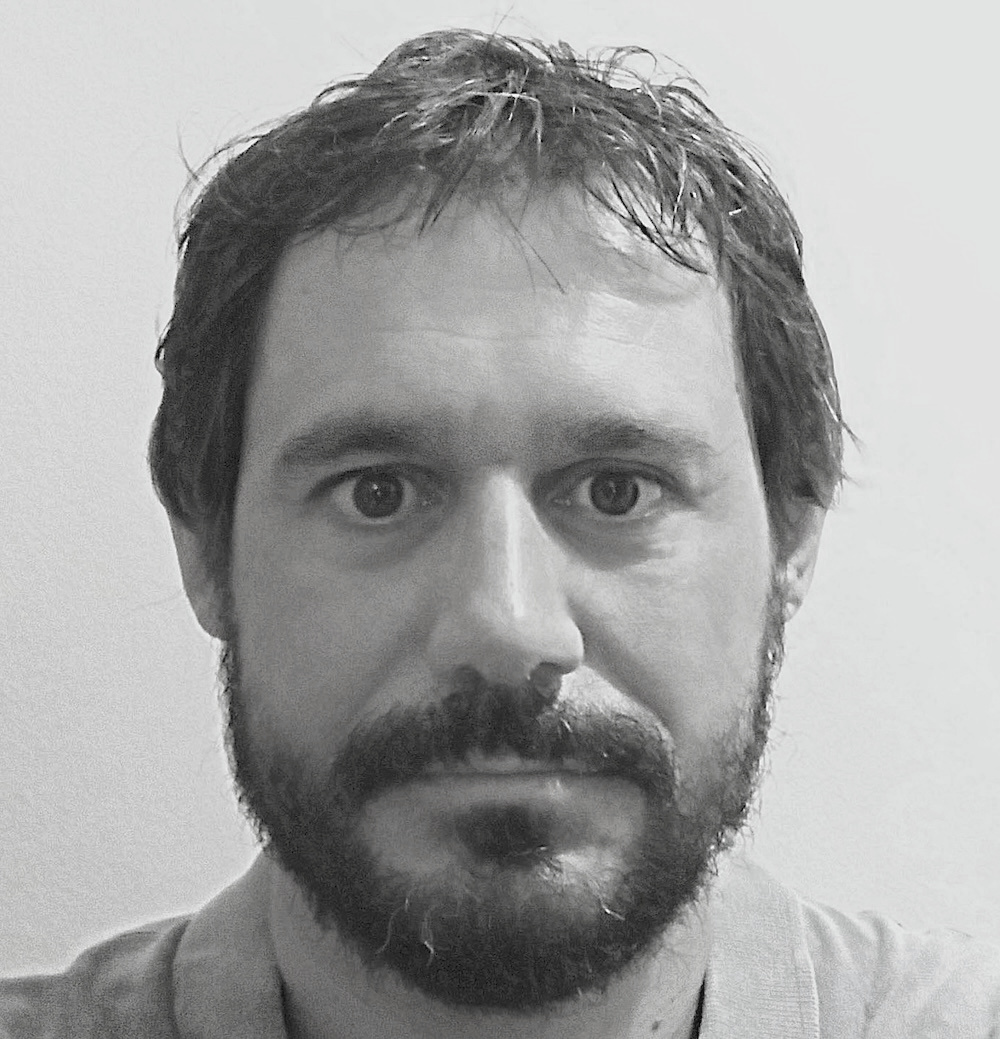
Georgios Bouchouras, PhD
Senior Lecturer in Biomechanics
Metropolitan College, in collaboration with University of East London
Biomechanics | Gait Analysis | Ontology Engineer | Prompt Engineer | AI | Recurrent Neural Networks
Research That Matters
Posted on September 21, 2025
From the first stone tools to today’s algorithms, humans have always chased knowledge. But knowledge has never been neutral. Every discovery forces a question: what do we do with this?
In every era, science reflected the needs of its time. Astronomy guided ships across oceans. Physics fueled weapons and power. Today, research grows at incredible speed — endless data, countless journals, new models every week. Yet the real question remains the same: to what end?
Rehabilitation reminds us of the answer. To study the body and the brain is not just to measure mechanics. It is to face fragility — and the human drive to rebuild. Knowledge here is not abstract. It is about possibility.
Sometimes, though, we confuse scale. A detail in our research can expand to fill the whole horizon, just as in Max Ernst’s surreal vision a tiny nightingale becomes a monstrous threat. Fear, trauma, or obsession can distort what matters and what does not. Science risks the same: a fixation on the small that blinds us to the real.
The danger is forgetting that science is not an end in itself. Detached from life, it becomes a mirror we polish endlessly, admiring its clarity while ignoring the world it reflects. Science joined with human need, however, becomes something more: a compass pointing beyond data toward dignity.
Perhaps this is the real role of research: not just to collect truths, but to open horizons. Rehabilitation shows this clearly. It is the art of turning disruption into renewal, of finding a path forward where none seemed possible.
Miles Davis captured something similar in his piece So What. The music is simple, spacious, almost sparse. The power lies not in the number of notes, but in their resonance — and in the silences between them. Research is the same. What matters is not how much we produce, but what meaning it carries, what lives it helps to sound again. And perhaps every time we start or end a new project, we should ask the same question that Davis posed in music: So what?
When the future looks back on our work, the details of our methods will fade. What will remain is whether our knowledge gave people more freedom, more dignity, more life. That is the research that matters. And yet, it is not always easy, nor is it always achieved. We often fall short, caught in the demands of publication or the weight of detail. The task, then, is not perfection, but persistence — to return, again and again, to the question that should guide us: does this truly matter?