News
Posted on August 7, 2024
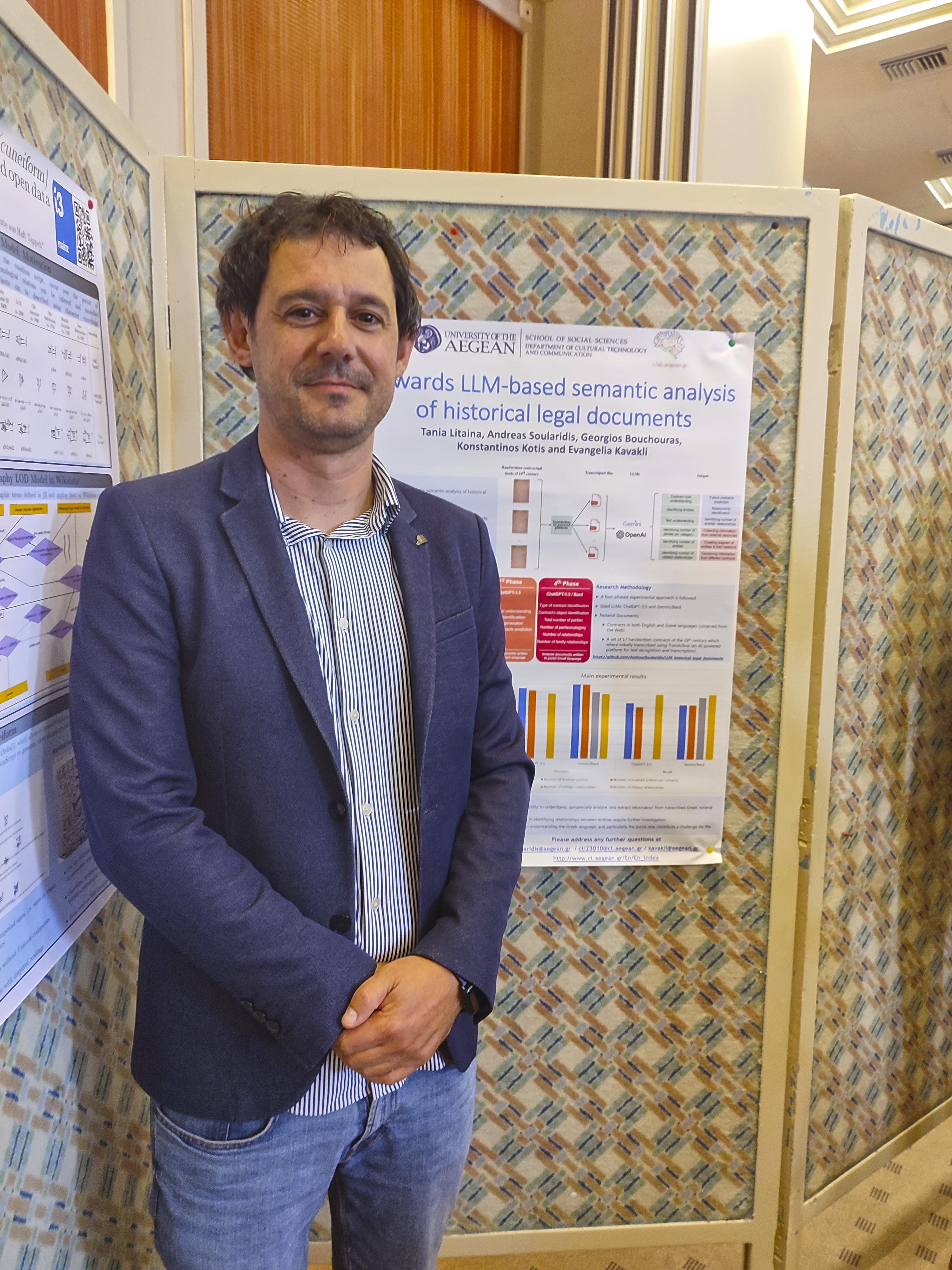
Our team is thrilled to share that we presented a second paper this month titled "Towards LLM-based Semantic Analysis of Historical Legal Documents" at the First International Workshop of Semantic Digital Humanities (#SemDH2024). In this paper, Tania Litaina, Andreas Soularidis, Georgios Bouchouras, Konstantinos Kotis, and Evangelia Kavakli explore the potential of large language models (LLMs) for the semantic analysis of historical legal documents. Our research is still in its early stages, and we are continuously learning and refining our novel methods. However, our findings suggest that LLMs could become a valuable tool for understanding and organizing complex legal data from history. We are particularly excited about the potential applications of this research in the field of legal history. The ability to analyze and interpret historical legal documents with greater accuracy and efficiency could significantly advance our understanding of legal developments over time. We invite you to take a look at our paper and share your thoughts: Read the paper. If you're interested in LLM applications or have insights to share, we would love to connect and discuss further! #LLMs #DigitalHumanities #ResearchInProgress Konstantinos I. Kotis Andreas Soularidis Evangelia (Vagelio) Kavakli Intelligent Systems Research Lab (i-Lab)
Posted on July 25, 2024
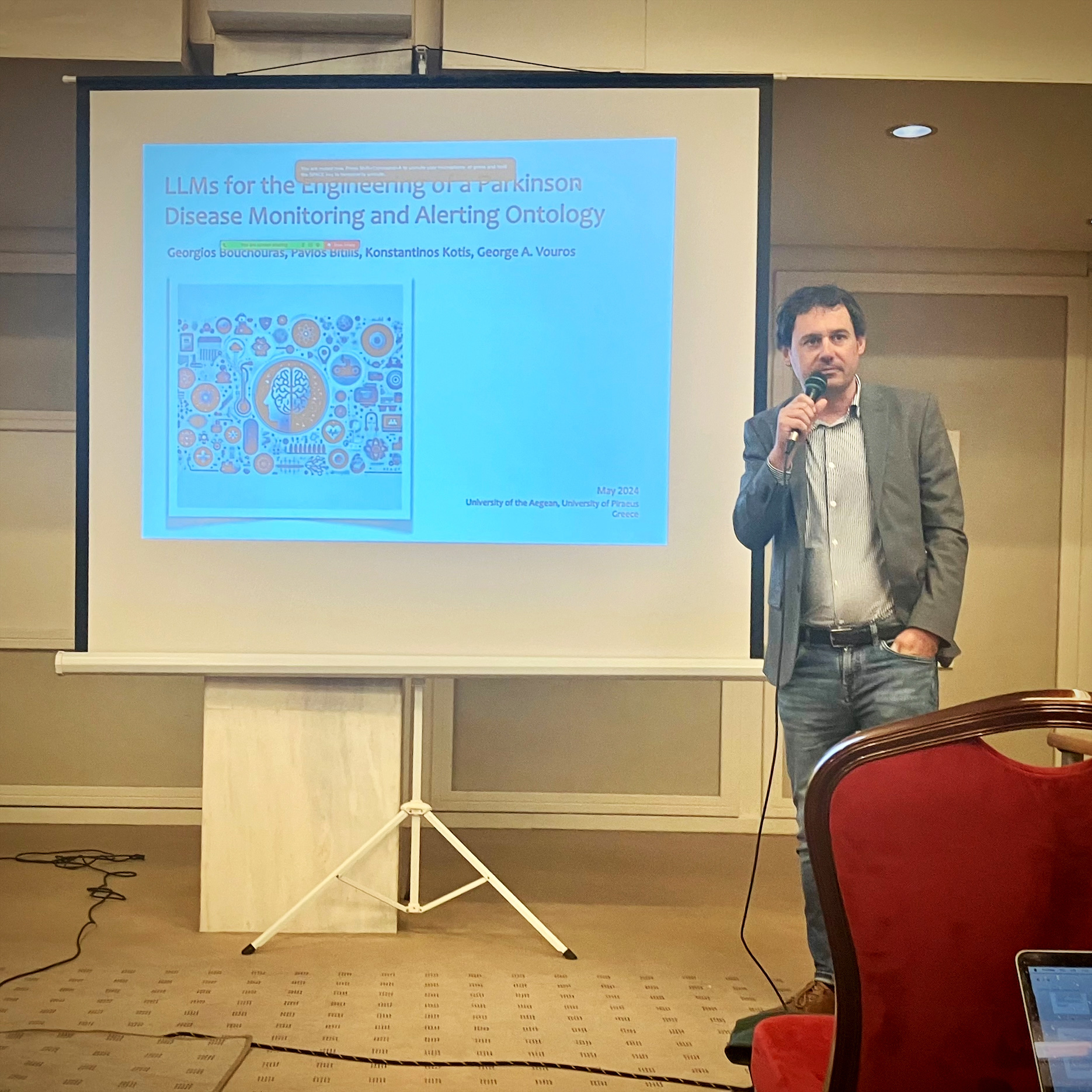
Presentation at the First Generative Neurosymbolic Workshop. I am thrilled to share that I just finished my talk at the First Generative Neurosymbolic Workshop, held as part of the Extended Semantic Web Conference in Crete. My presentation, titled "How We Can Use LLMs to Create an Ontology for Parkinson's Disease," was successfully completed. In this talk, I explored the innovative ways in which large language models (LLMs) can be leveraged to develop a comprehensive ontology for Parkinson's Disease. This ontology aims to enhance our understanding and organization of knowledge related to the disease, ultimately contributing to more effective research and treatment strategies. Collaborating with Pavlos Bitilis and George Vouros, our team at the Intelligent Systems Research Lab (i-Lab) is excited to share these insights and advancements in the field. The potential of LLMs to transform the way we approach complex medical conditions is immense, and we are eager to continue pushing the boundaries of this research. Stay tuned for more updates as we further develop these methods and explore new applications! Konstantinos I. Kotis Pavlos Bitilis George Vouros Intelligent Systems Research Lab (i-Lab)
Posted on April 23, 2026
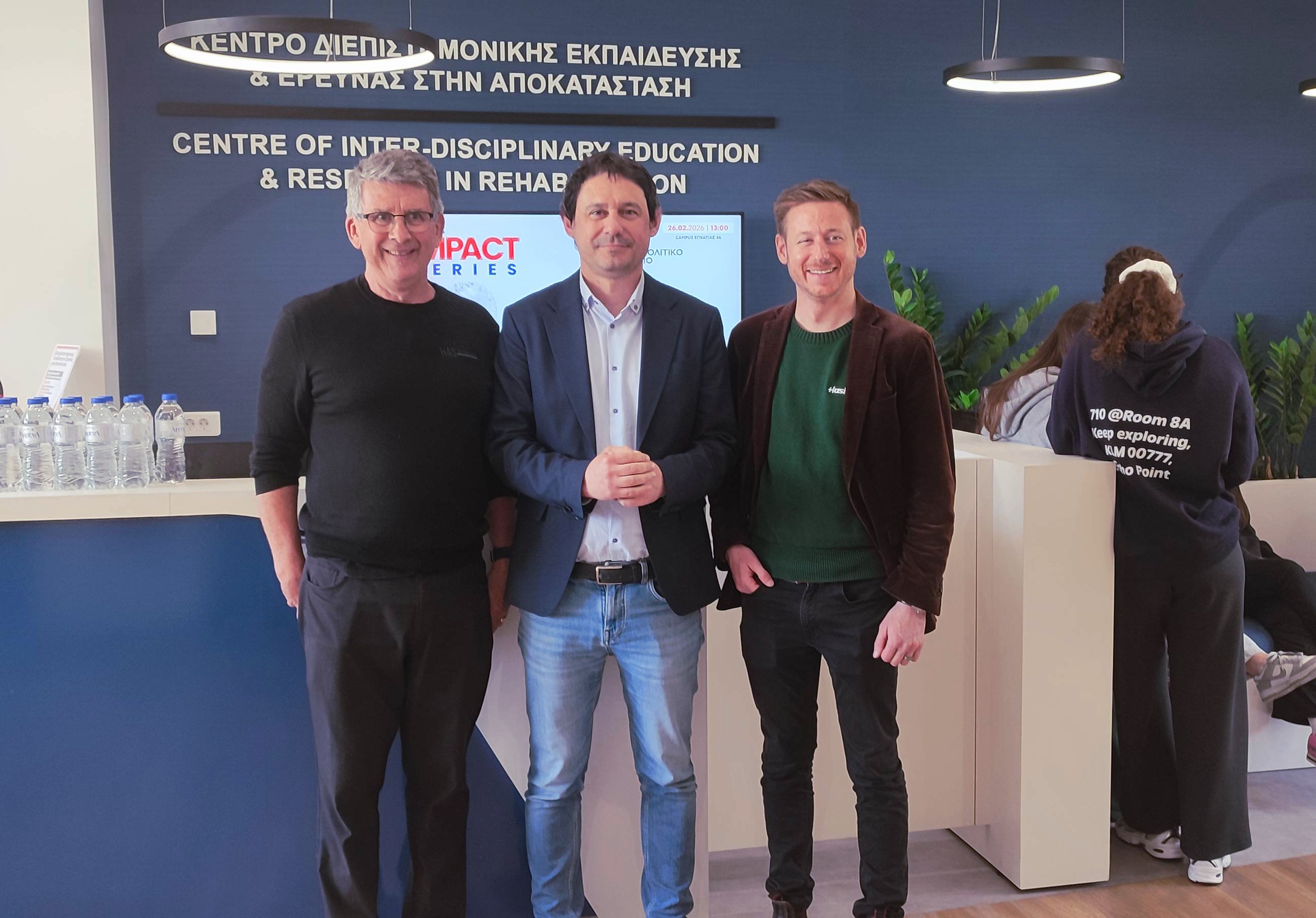
Our seminar on Modern Approaches to Motion Analysis: Biomechanics and Sports Injuries was successfully held in Thessaloniki, bringing together students, academics, and professionals interested in movement analysis and sports science.
Posted on July 30, 2024
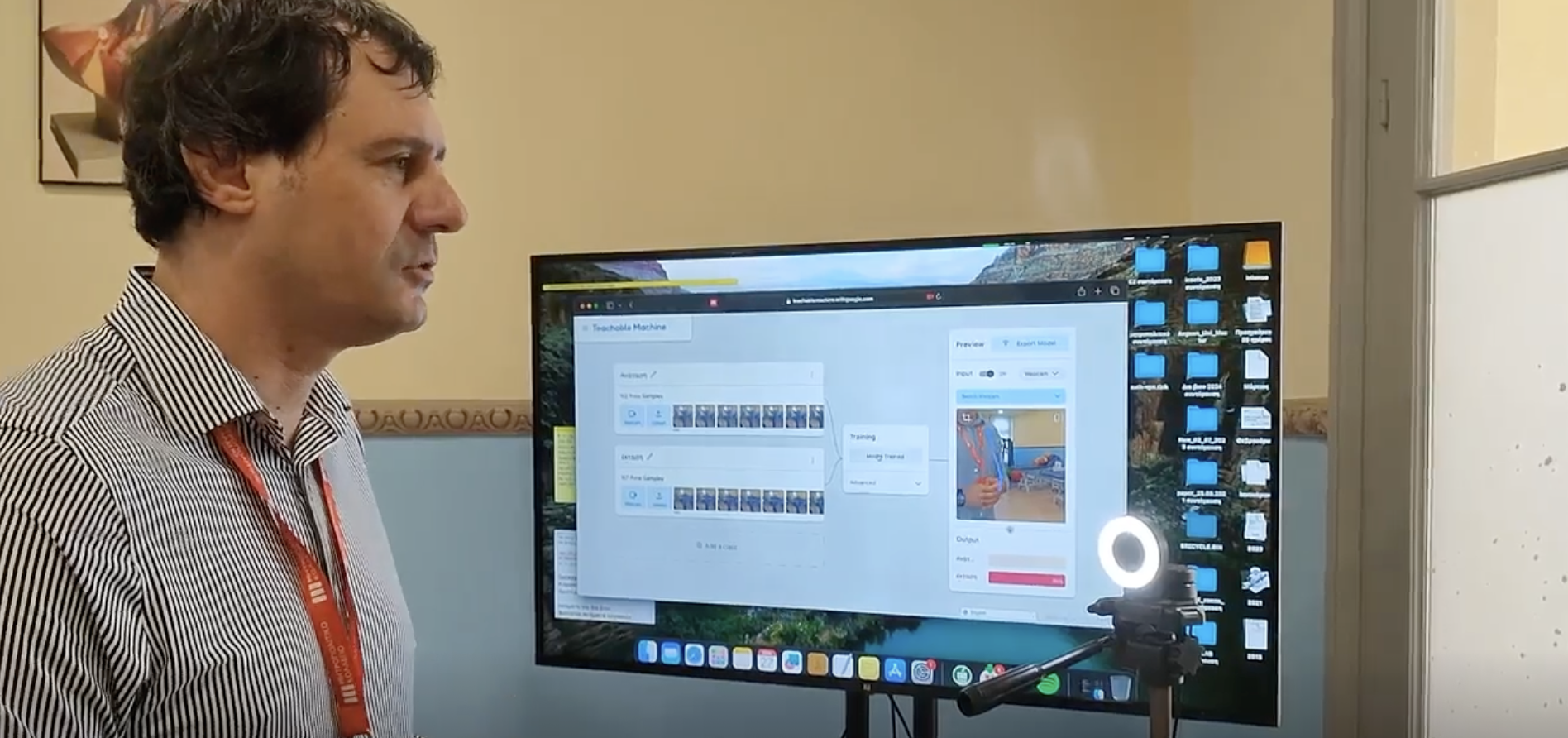
Our lab is equipped with advanced tools, such as sensor plates and cameras, that enable us to capture and analyze a wide range of movements with great precision. A key aspect of our work involves the integration of machine learning, which helps us analyze complex movement patterns and uncover insights that can inform everything from athletic performance to rehabilitation and ergonomics. This cutting-edge technology allows us to push the boundaries of movement research and apply it to real-world challenges.
Posted on May 30, 2024
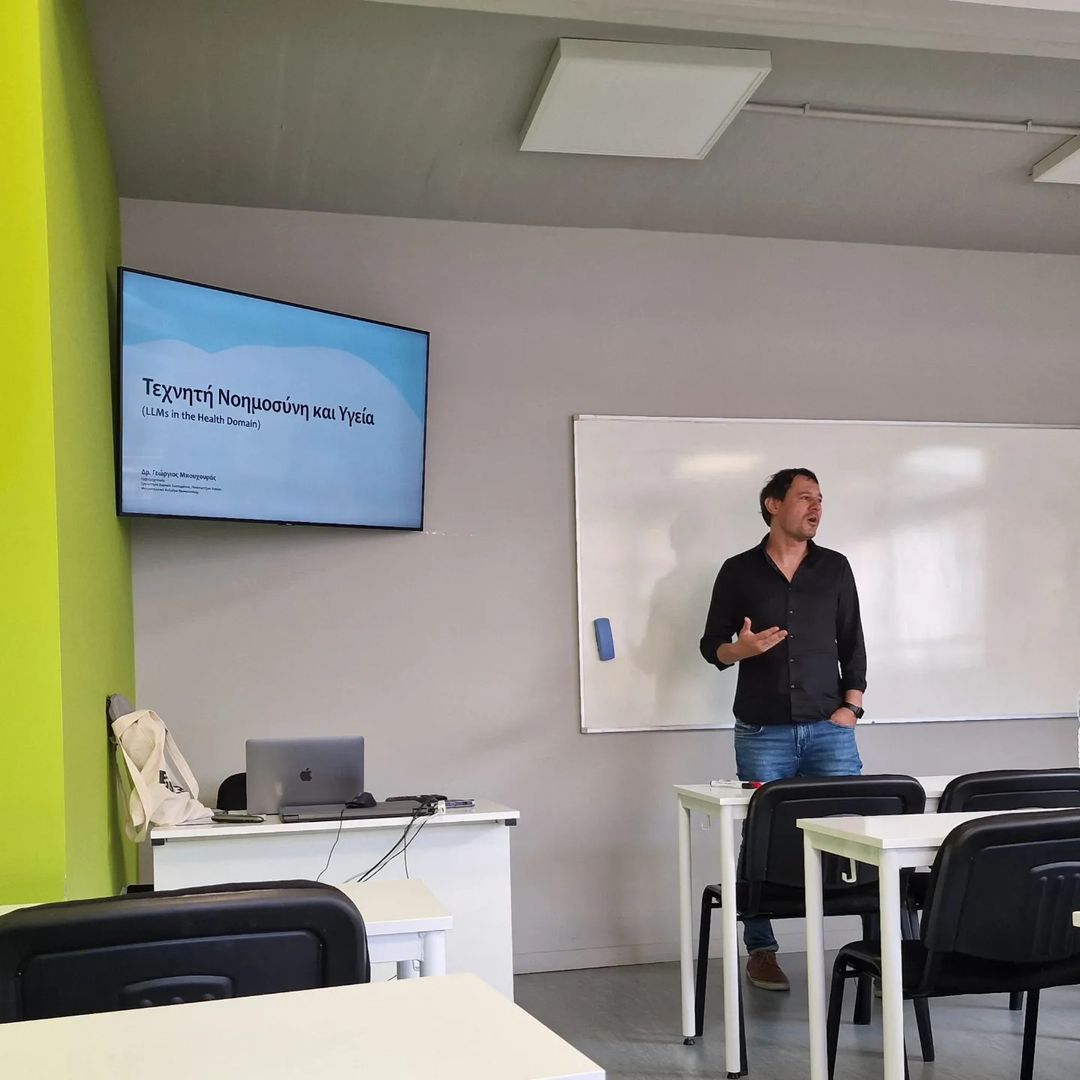
We discussed the latest developments in Artificial Intelligence and how they can impact the field. We exchanged ideas and insights, exploring how we can use these technologies to improve the quality of healthcare and our lives.
Posted on Janouary 30, 2026
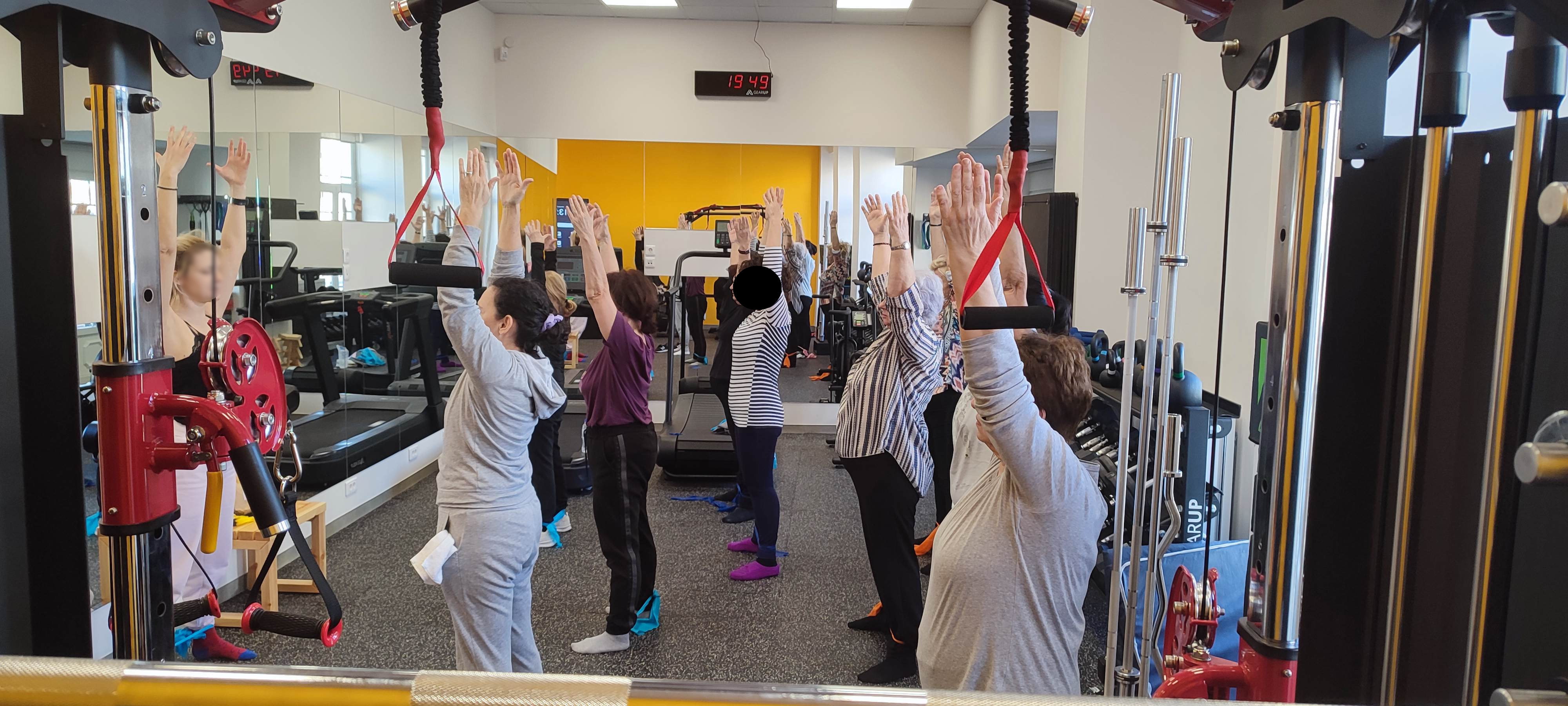
At the CIDERR of Metropolitan College, we are proud to announce the launch of our specialized Clinical Pilates sessions, specifically designed for women over the age of 50. This initiative focuses on the management and improvement of musculoskeletal conditions, promoting mobility, core strength, and overall quality of life.
Posted on February 04, 2026
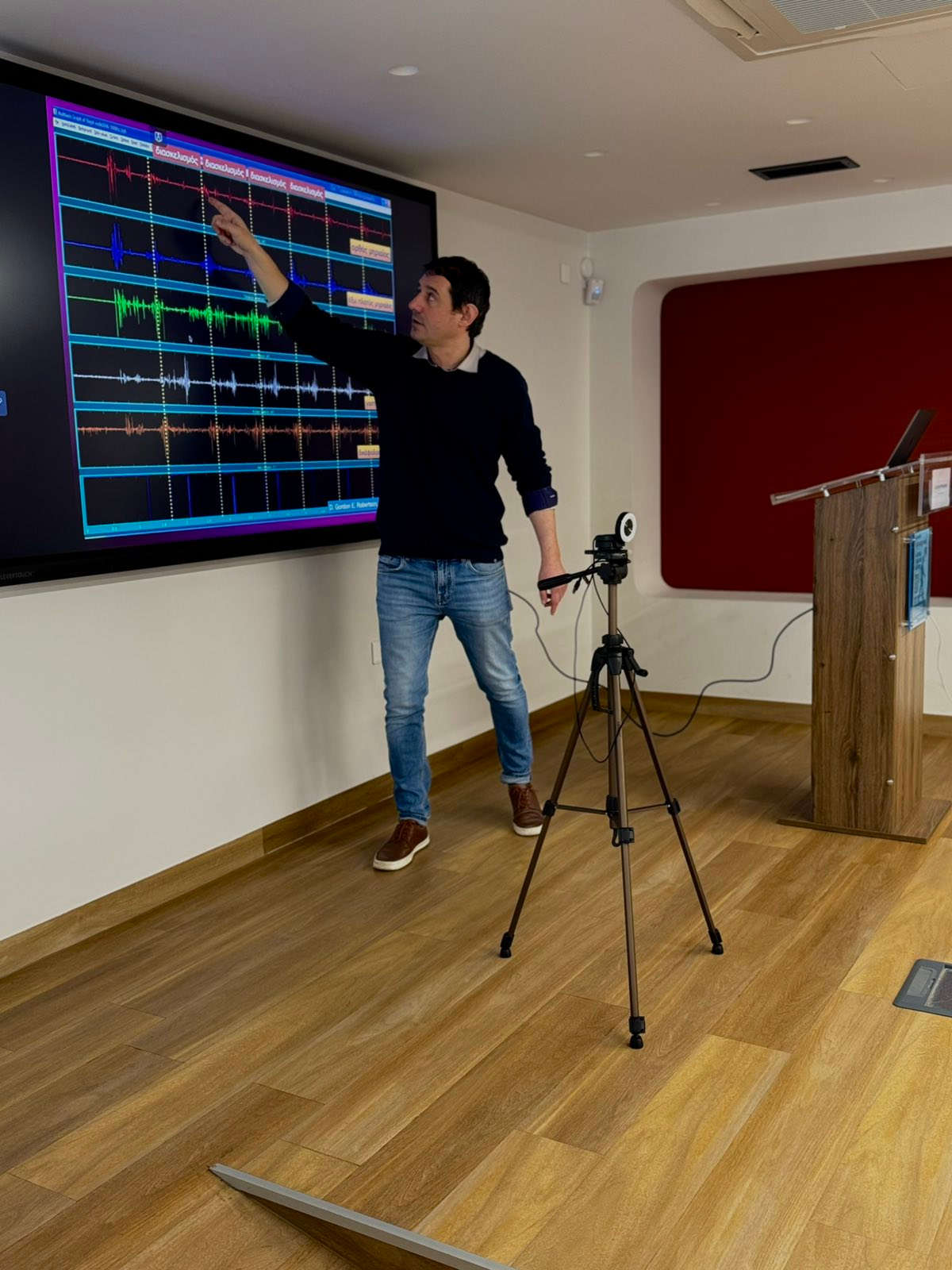
A highly successful 3-hour hands-on gait analysis workshop brought together
students and professionals from Physiotherapy, Occupational Therapy, and
Podiatry. The session focused on applied gait assessment, clinical reasoning,
and the practical interpretation of movement analysis in real-world
rehabilitation contexts.
Posted on January 20, 2026
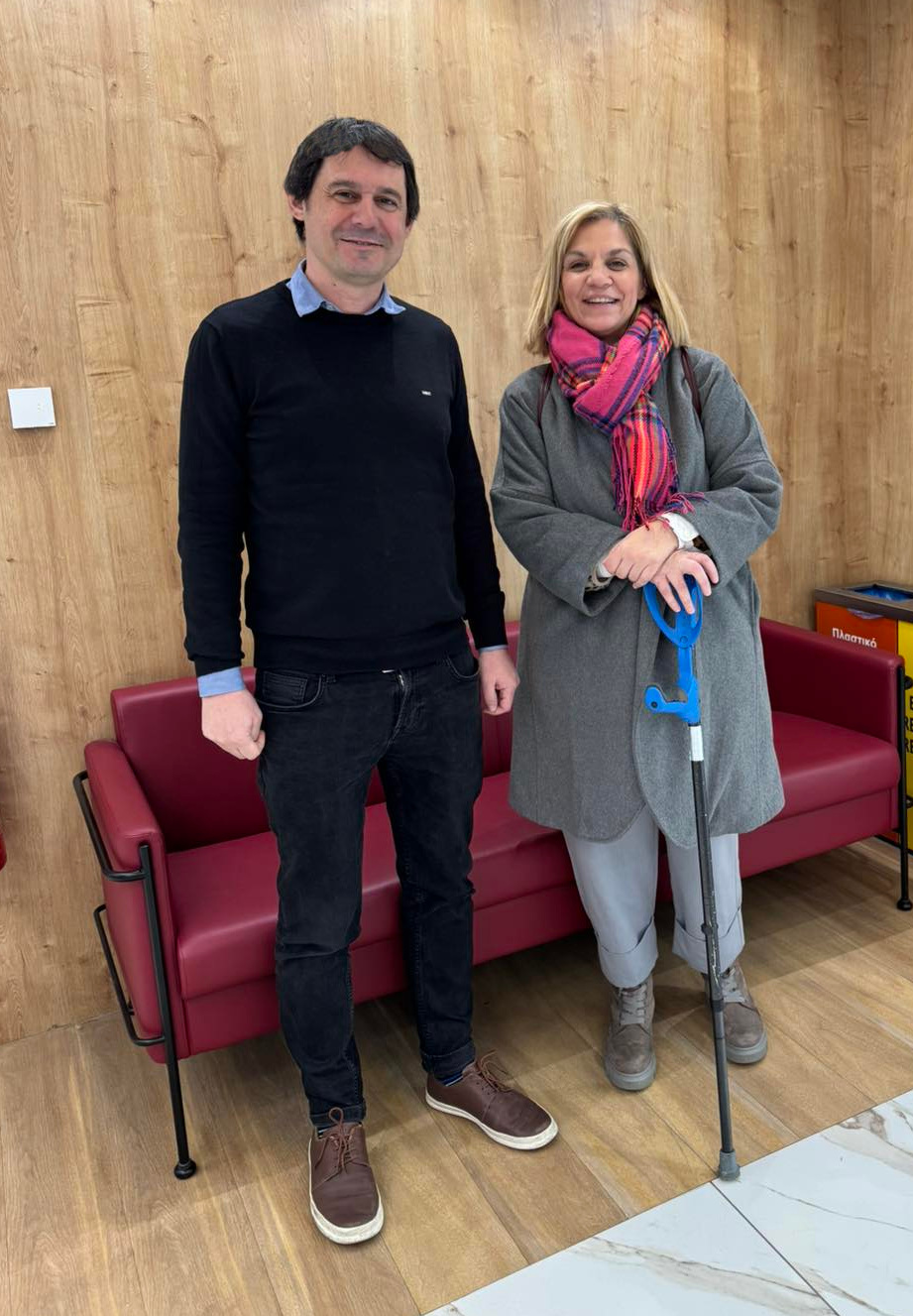
A productive meeting on disability inclusion and future collaboration between the Municipality of Thessaloniki and our Center for Interdisciplinary Education and Research in Rehabilitation, offering free services and clinical training opportunities.
Posted on October 24, 2025
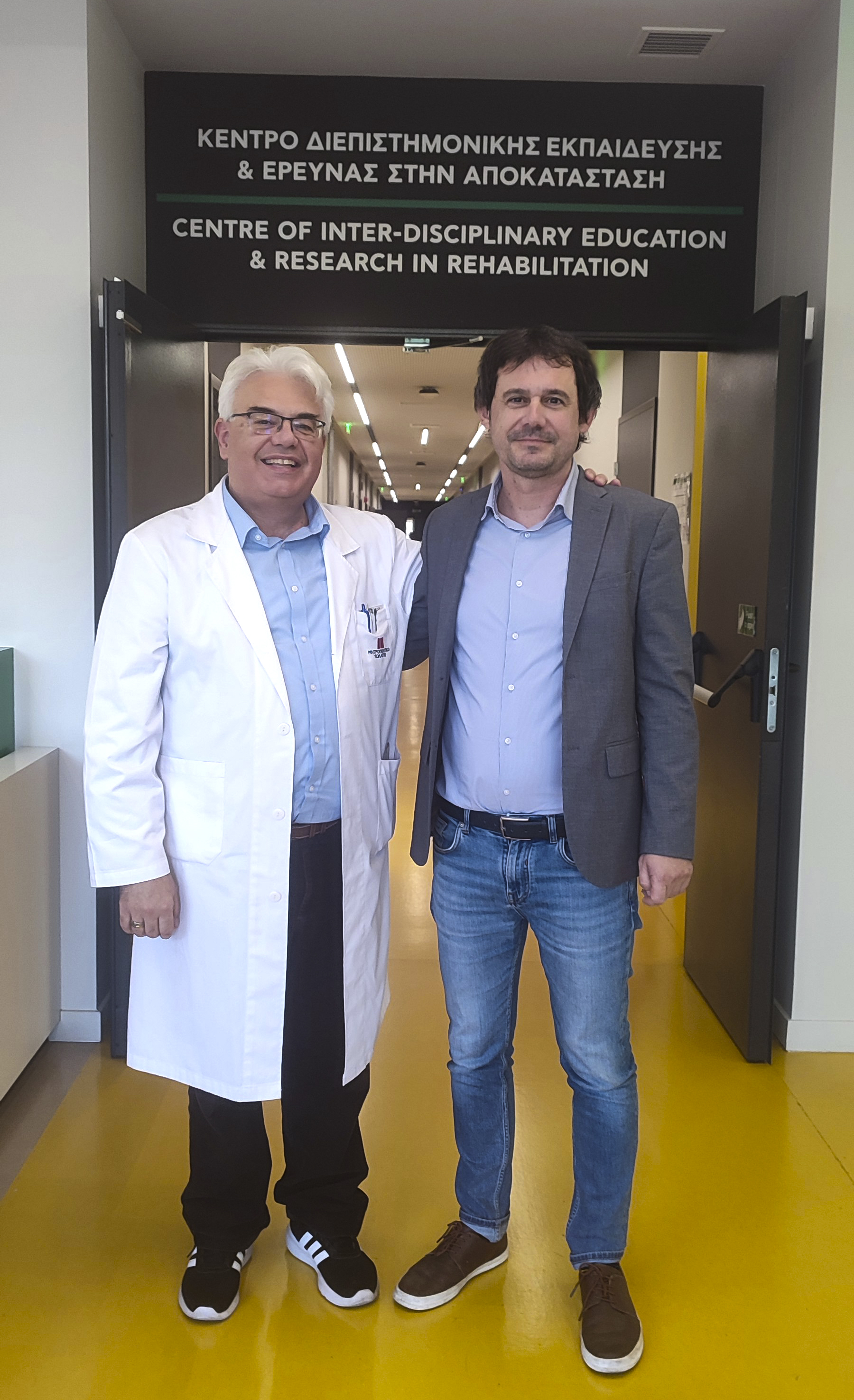
During my recent visit to Marousi, Athens, I had the pleasure of visiting the Interdisciplinary Center of Education and Research on Rehabilitation. The visit was an inspiring opportunity to witness first-hand the innovative projects and research activities currently being carried out by the center. I had the privilege of meeting my close colleague Christos Komisopoulos and his dedicated team, who are doing truly remarkable work in advancing education, rehabilitation science, and interdisciplinary collaboration
Posted on May 31, 2025
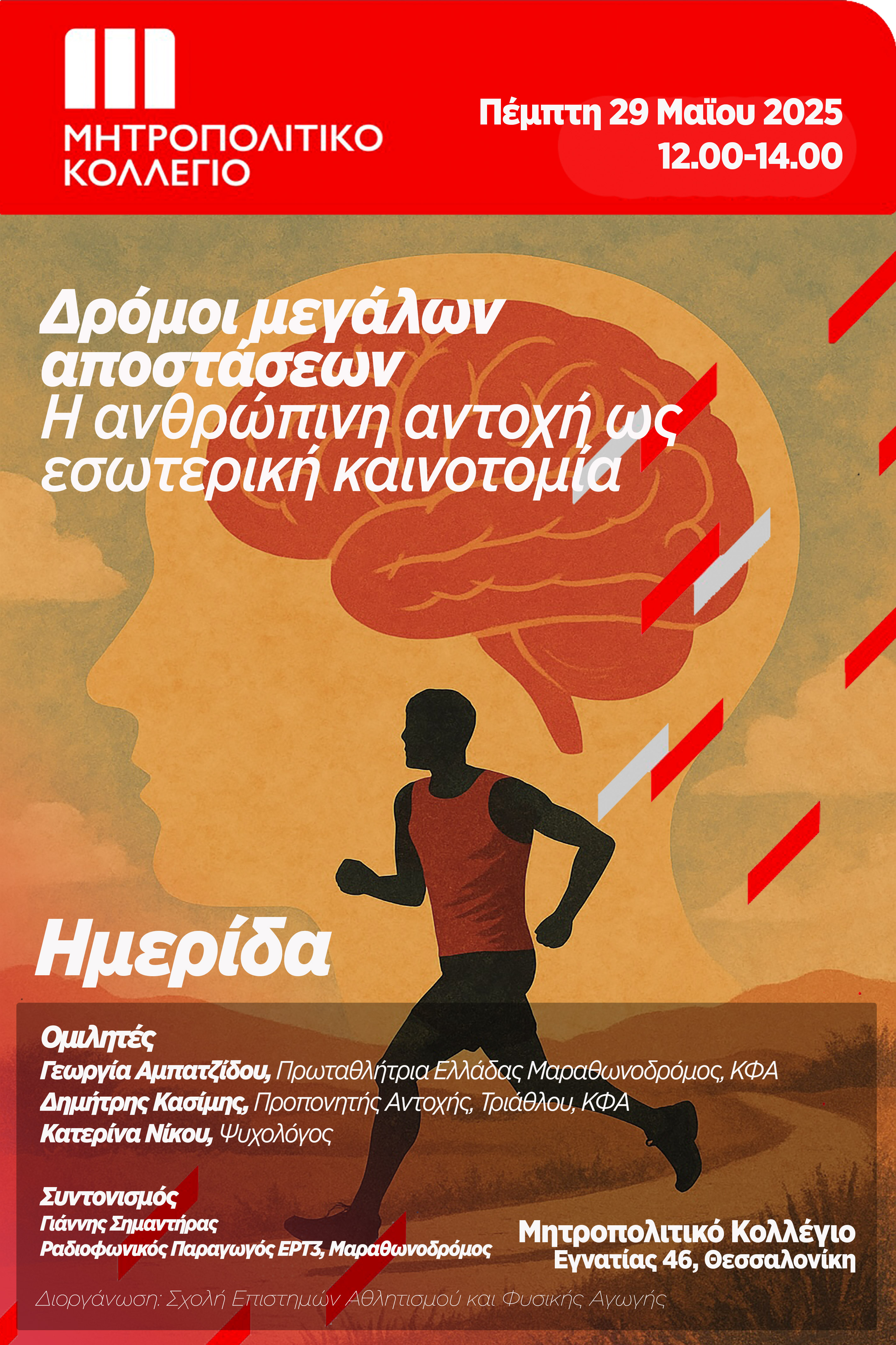
On Thursday, May 29, 2025, a thoughtful and well-attended roundtable took place at Metropolitan College Thessaloniki, under the title “Long Distance Paths: Human Endurance as Inner Innovation
Posted on September 10, 2026
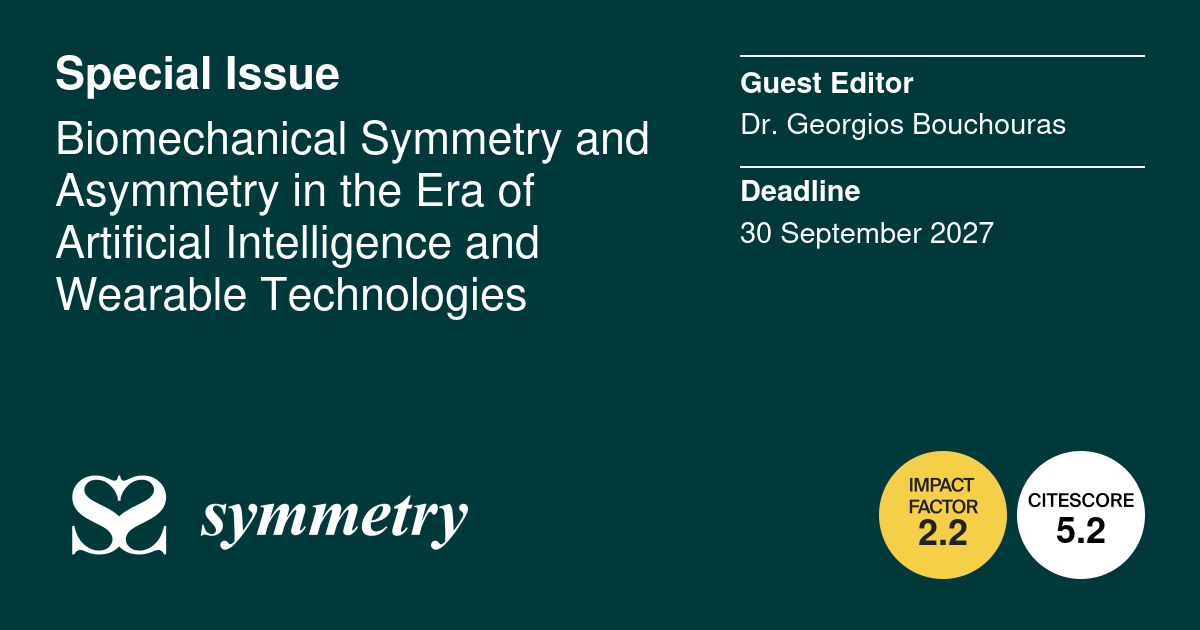
I am pleased to serve as Guest Editor for the Special Issue “Biomechanical Symmetry and Asymmetry in the Era of Artificial Intelligence and Wearable Technologies” in Symmetry. Contributions are welcome at the intersection of biomechanics, artificial intelligence, wearable technologies, and human movement analysis.
Posted on March 31, 2026

As part of my work as a trainer for the Institute of Educational Policy (IEP) in the Sub8 programme, I developed an integrated digital resource for Physical Education in primary school. My aim was to create something directly useful for fellow teachers, rather than another theoretical document that remains unread or unused.
Posted on April 30, 2024
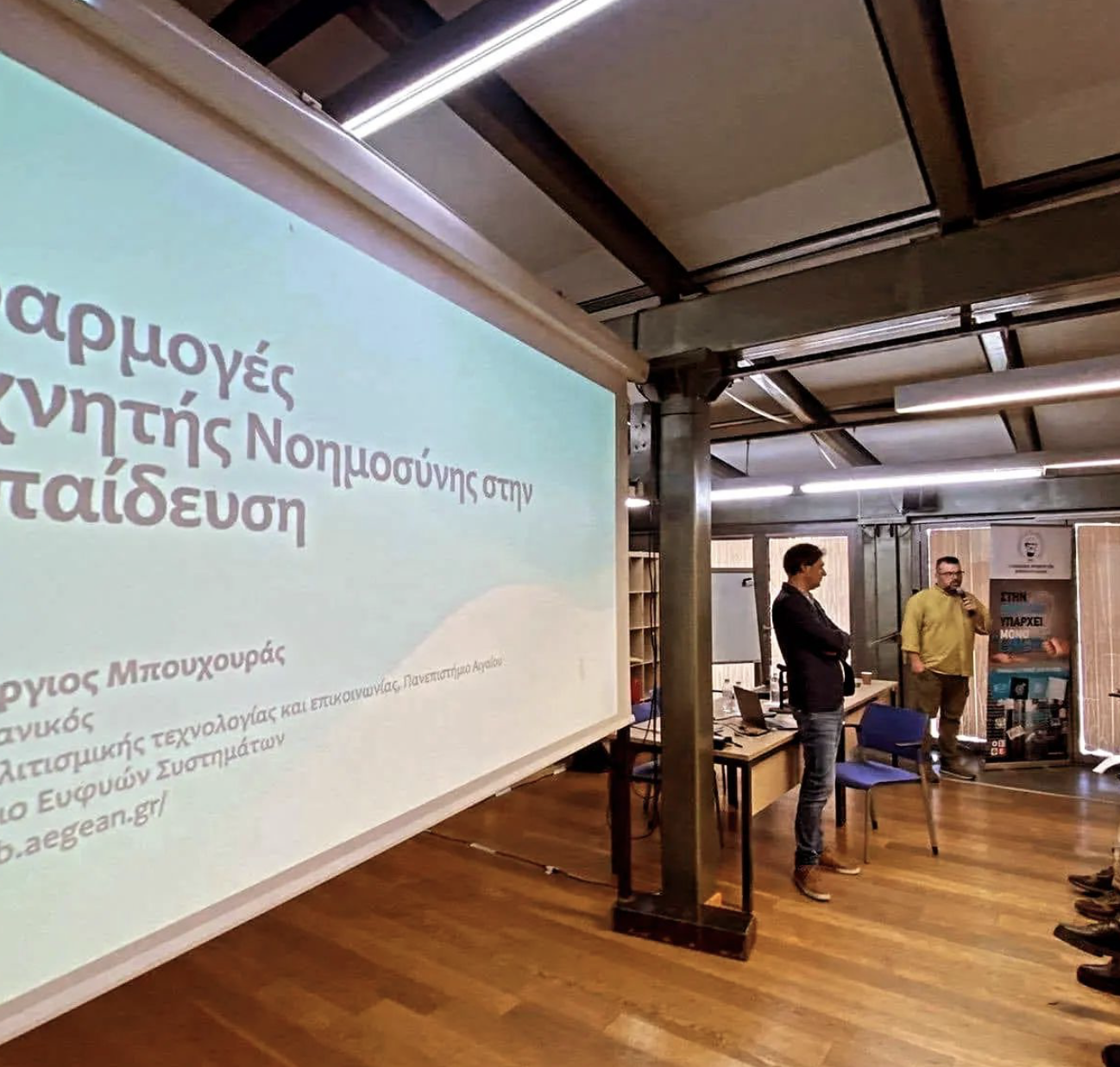
It was a great opportunity to present the interesting topics we are studying at the Intelligent Systems Lab of the University of the Aegean. We discussed how artificial intelligence can transform teaching practices and enhance individual learning. We explored useful tools and programs. Impressive participation with over 100 attendees. Let's join forces to explore and implement innovative solutions that will enhance learning. Congratulations to the association for this initiative.
Posted on September 16, 2024
Today, I had the opportunity to deliver a seminar to the first-year students at Metropolitan College Thessaloniki, centered on Ankle Sprain Prediction using OpenSim. We explored how this powerful musculoskeletal simulation tool is revolutionizing our understanding and prevention of ankle injuries. The seminar delved into: Drop Jump-Induced Sprains: We discussed how high-impact activities, such as drop jumps, contribute to ankle sprains, and how we can simulate these scenarios in OpenSim to predict injury risks. Ankle Foot Orthosis (AFO): We reviewed the role of AFOs in stabilizing the ankle and reducing the likelihood of sprains, particularly during challenging movements.
Posted on July 28, 2026
What if human walking had to pass an engineering design review? Probably not very well. This article explores the evolutionary compromises behind bipedalism—from controlled falling and spinal loading to blood circulation and modern sedentary life—and explains why the human body is not a perfectly engineered machine, but a remarkable product of millions of years of adaptation.
Posted on September 20, 2024
Today, we welcomed some of our students from the School of Health. We discussed an interdisciplinary approach to treating ischemic stroke patients and how our various departments can collaborate to improve patient health and overall quality of life.
Posted on September 21, 2025
From the first stone tools to today’s algorithms, humans have always chased knowledge. But knowledge has never been neutral. Every discovery forces a question: what do we do with this?
Posted on May 18, 2025
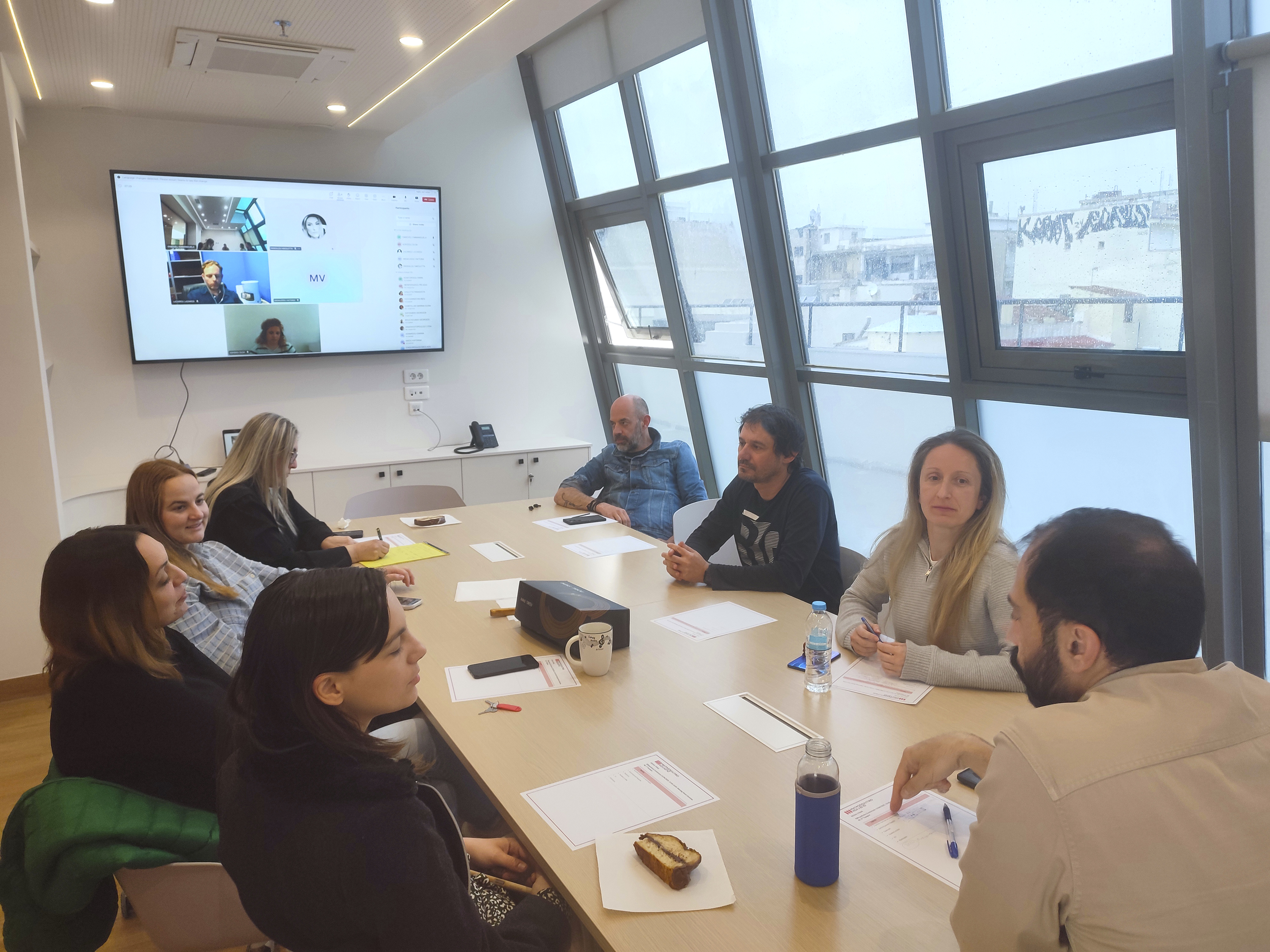
This month, we proudly hosted renowned guest Prof. Dr. Panagiotis V. Tsaklis for a powerful lecture on brain-body synergy, celebrated a First Prize Award for student-led research in maternal health, and united seven disciplines in our Annual Interdisciplinary Rehabilitation Seminar. Explore our latest highlights and see how we continue to empower future health professionals through innovation, collaboration, and real-world impact.
Posted on June 20, 2023
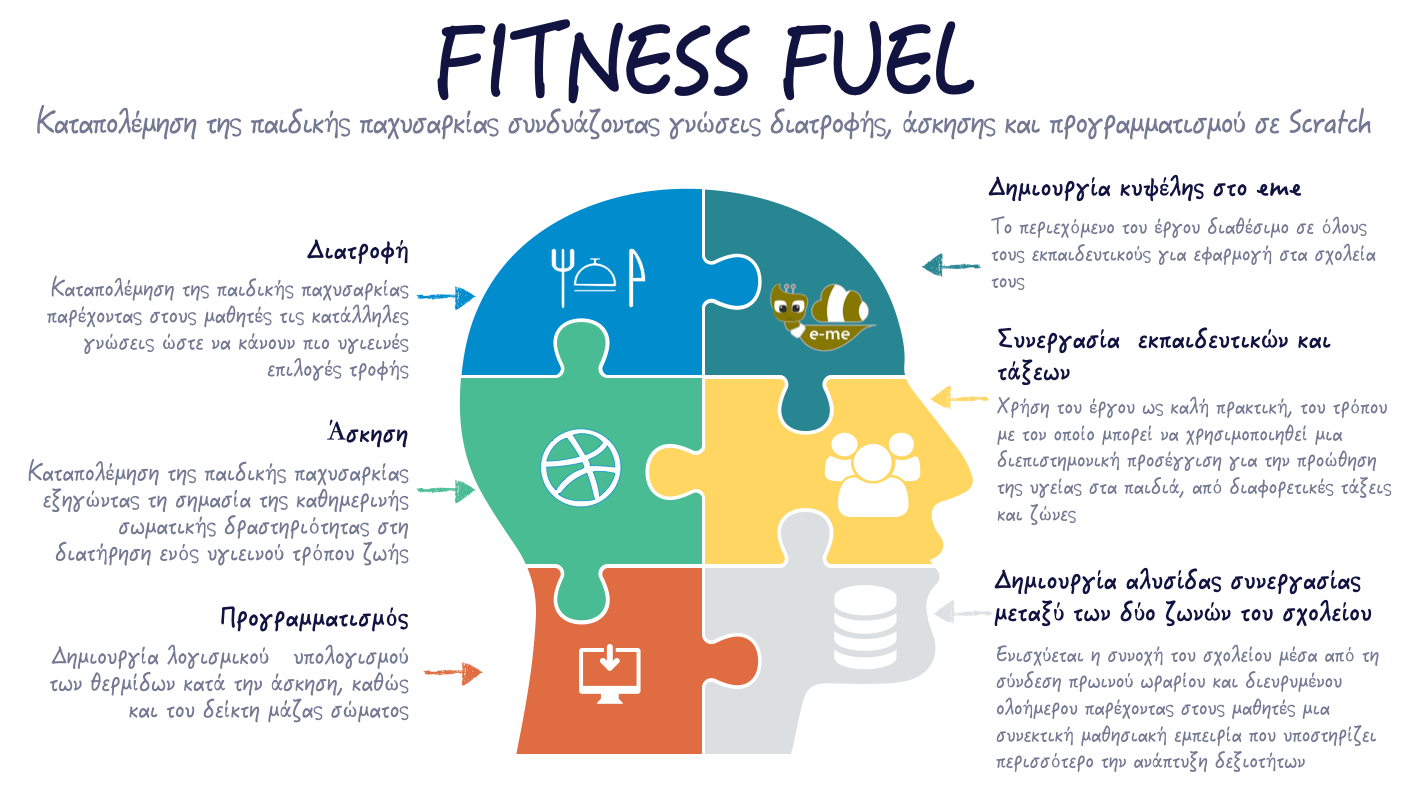
Recently, I had the opportunity to collaborate with my friend and colleague, Efthimia Rova, on an interdisciplinary educational scenario, which was approved by Photodentro and is available for use by teachers of relevant specialties
Posted on December 03, 2024
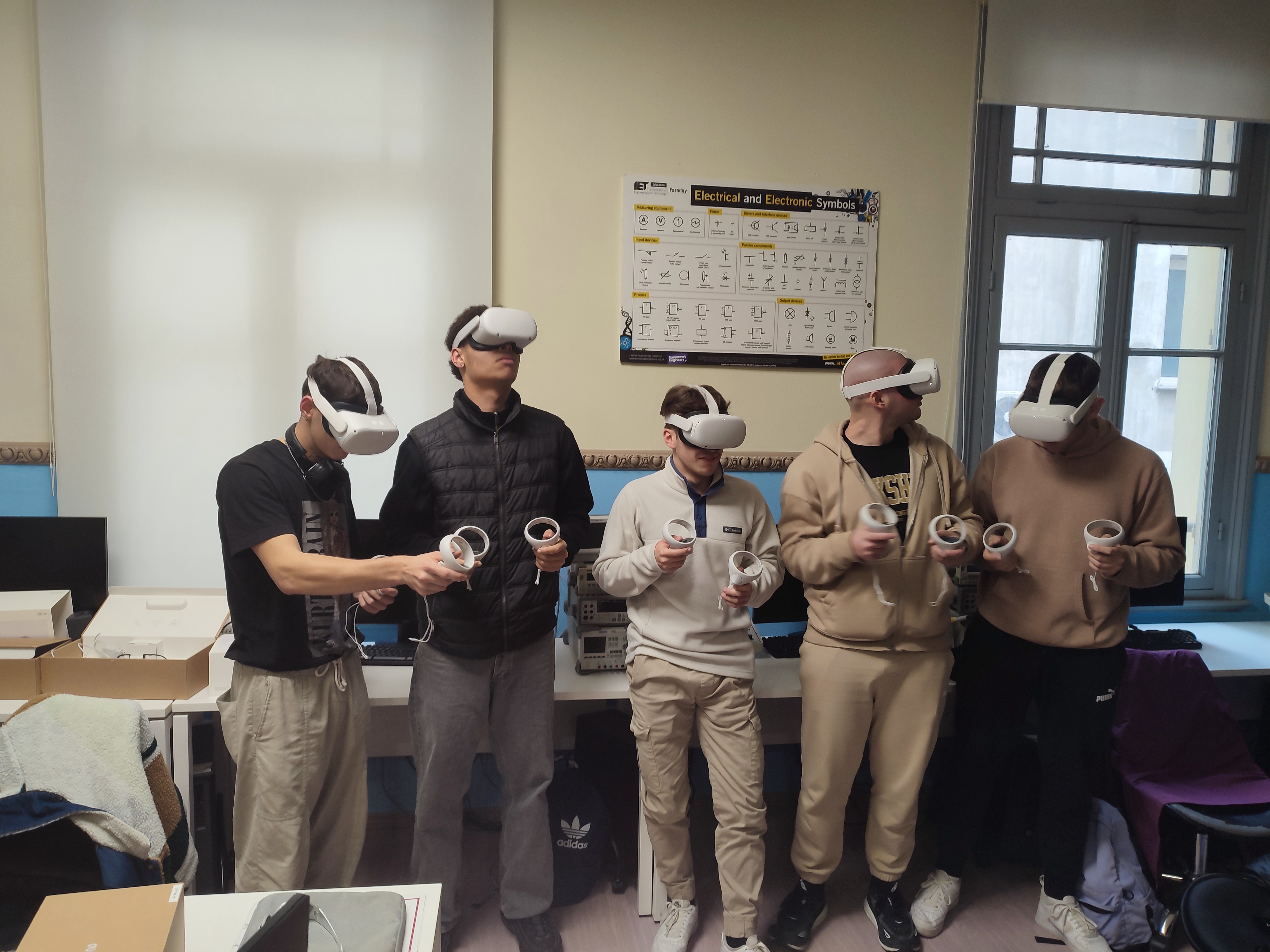
Today, we took another significant step forward in the Anatomy VR Lab at Metropolitan College Thessaloniki, as our simulations officially commenced for this academic year. While our journey with virtual reality in anatomy education began last year, this marks the first time we've fully integrated the technology into our regular learning sessions.
Posted on September 30, 2024
We are pleased to share that our team has completed the development of the study guide for the General Secretariat for Vocational Education, Training & Lifelong Learning of the Greek Ministry of Education, Religious Affairs, and Sports.
Posted on December 15, 2024
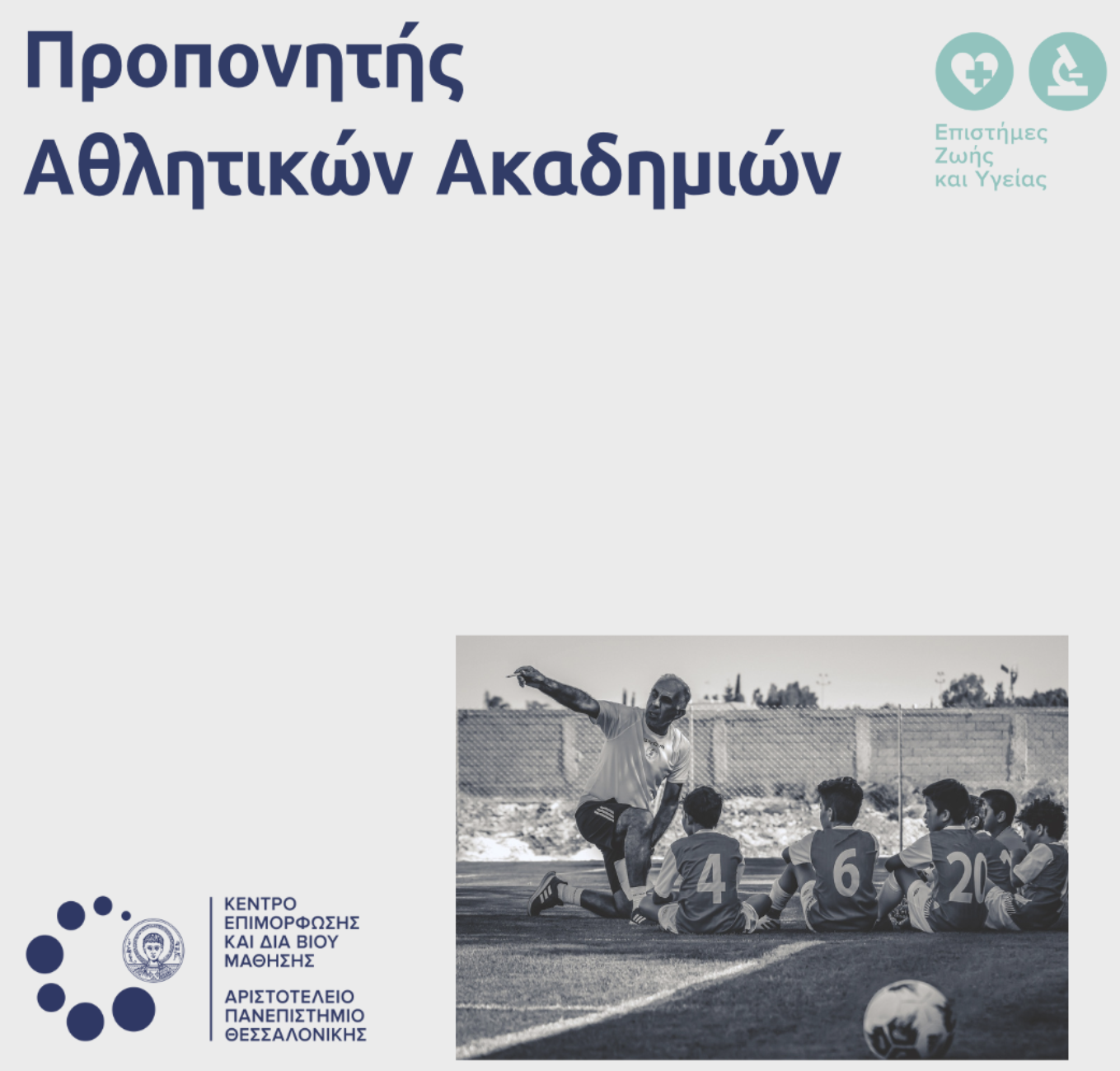
We are proud to announce the launch of the 19th session of the Youth Sports Academy Coach program, one of the longest-running lifelong learning initiatives offered by a university in Greece. Over the past decade, this program has trained more than 600 participants, equipping them with the skills and knowledge to excel in coaching and sports education
Posted on January 16, 2025
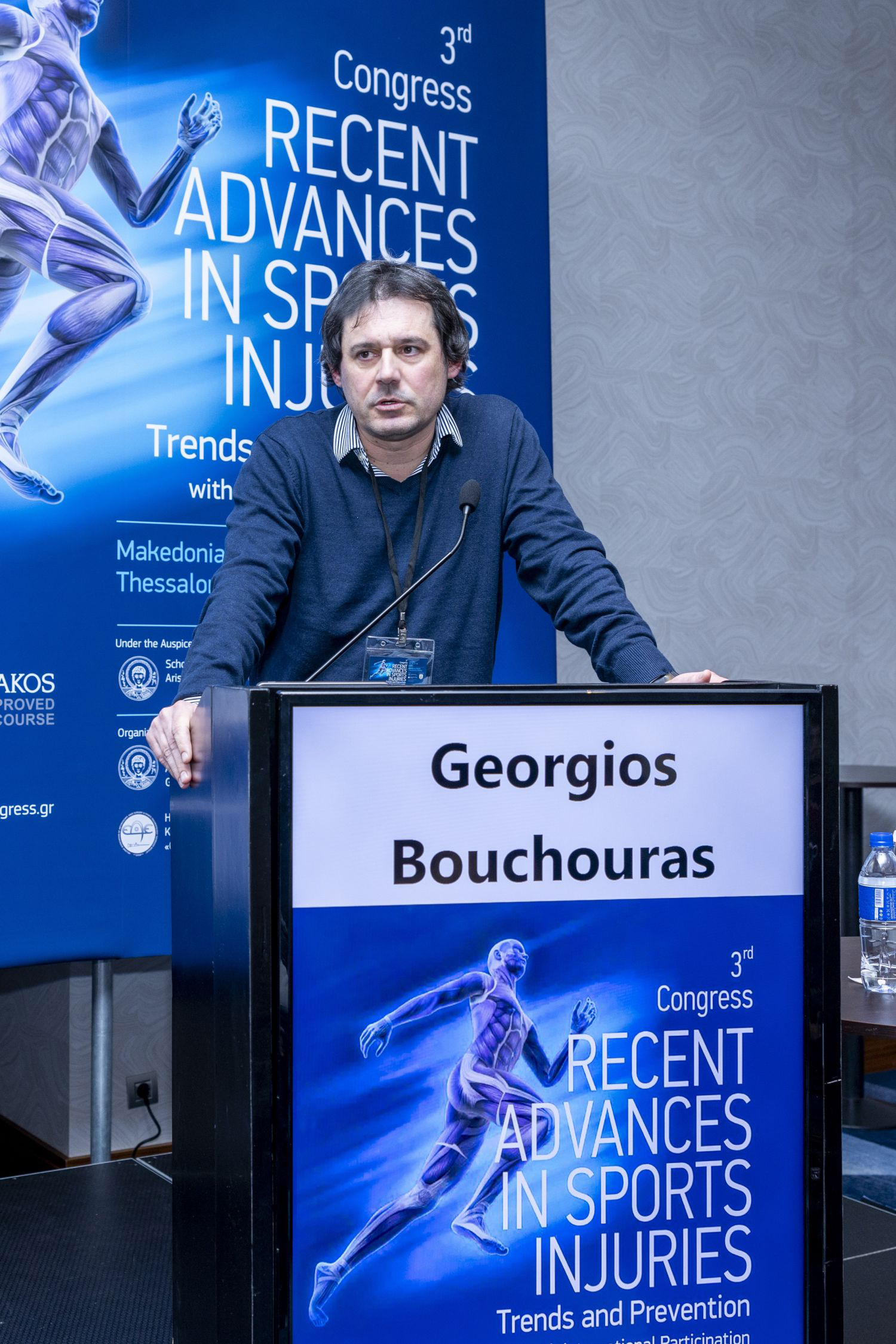
I had the honor of speaking at the 3rd Congress "Recent Advances in Sports Injuries: Trends and Prevention," organized by the 2nd Orthopaedic Department of Aristotle University of Thessaloniki in collaboration with the Hellenic Association of Arthroscopy, Knee Surgery & Sports Traumatology "George Noulis" and PAOK FC.
Posted on February 05, 2025
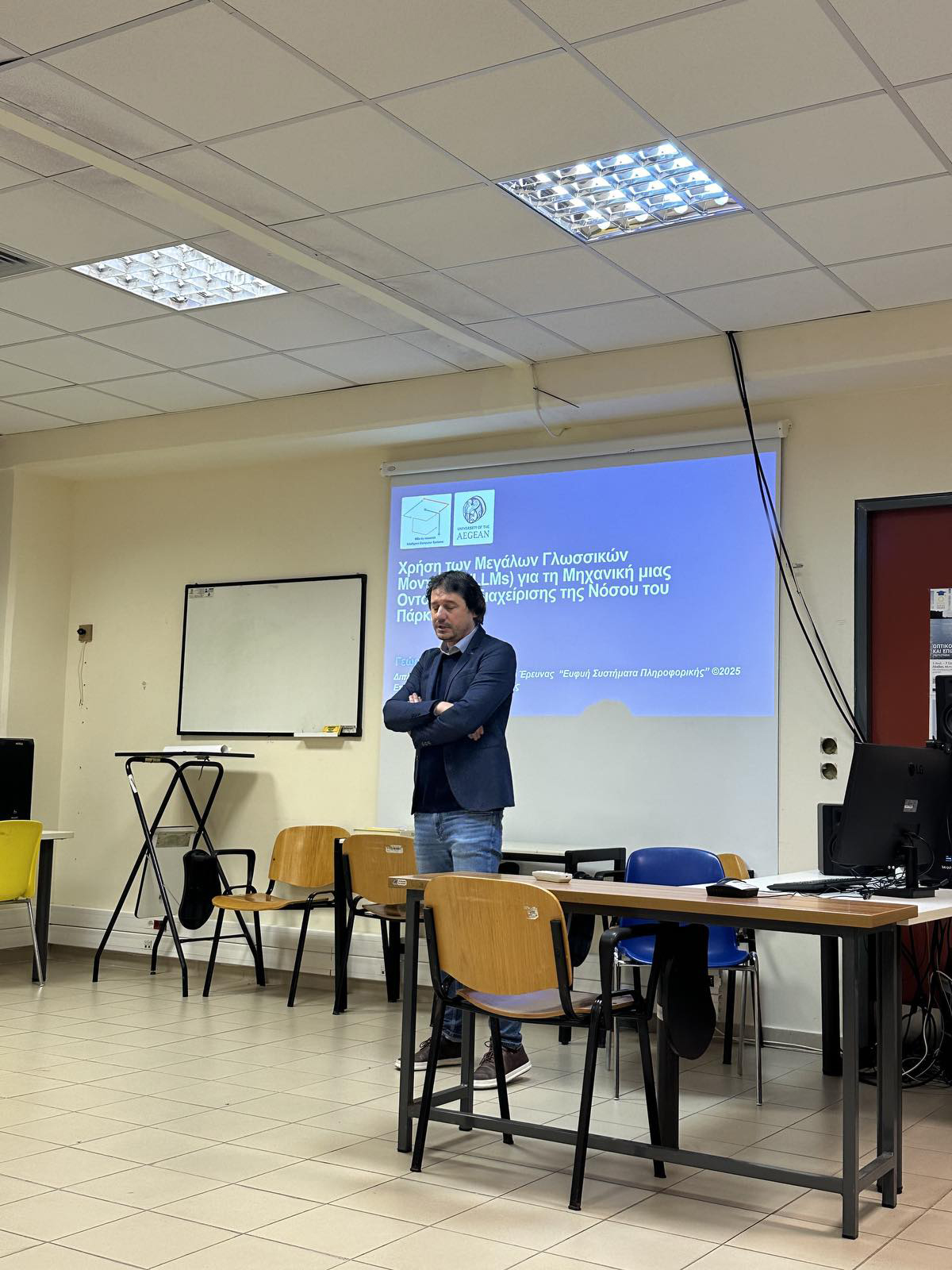
Today, I successfully defended my Masters thesis in the MSc by Research in Intelligent Information Systems with excellent evaluation. My research, titled "Large Language Models for the Engineering of a Parkinson Disease Monitoring and Alerting Ontology," marks the completion of a demanding yet highly rewarding academic journey
Posted on March 05, 2025
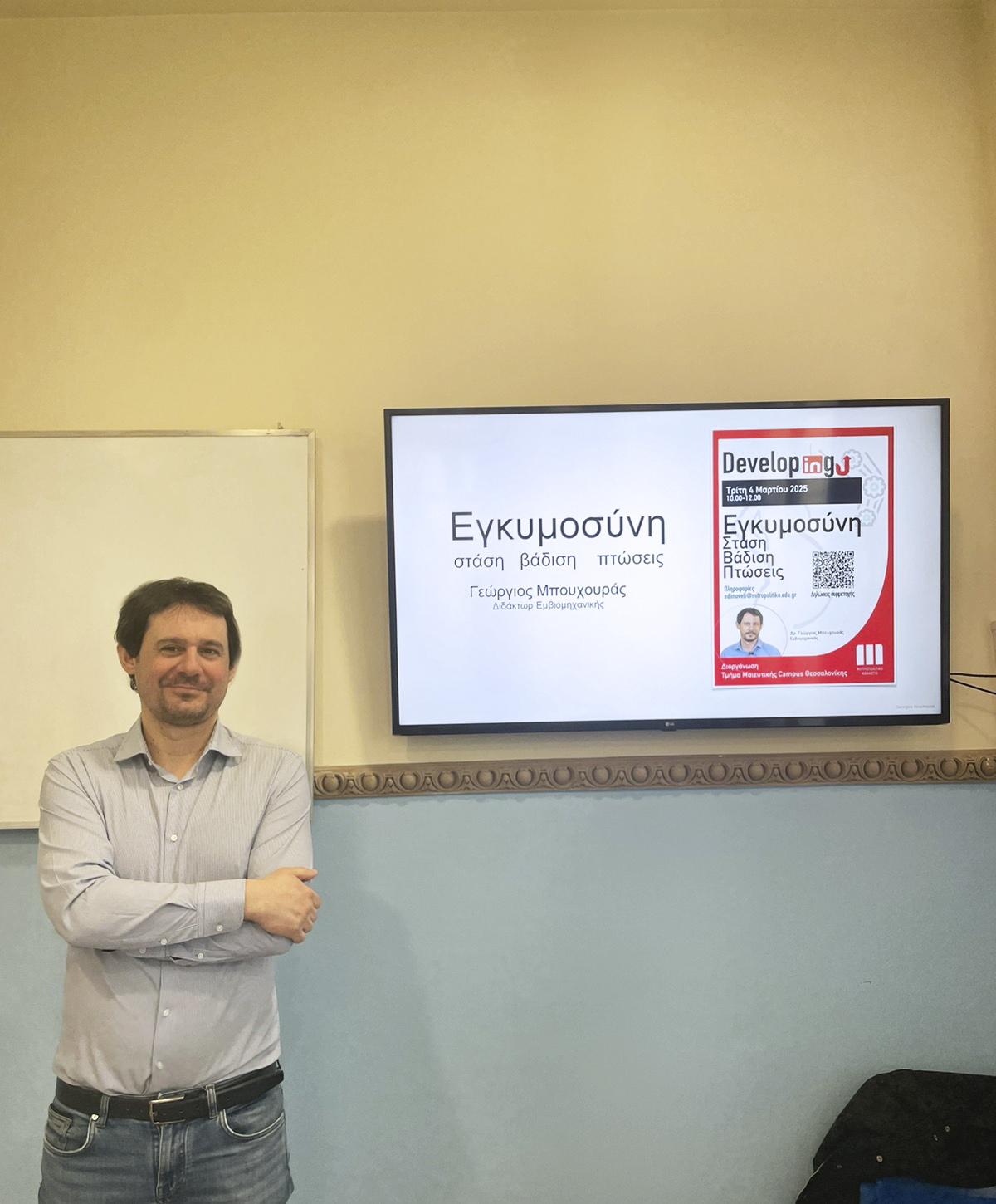
On March 4, 2025, we successfully conducted the seminar "Pregnancy, Posture, Gait, and Falls" at Metropolitan College, Thessaloniki Campus, as part of the DevelopingU initiative. The event provided valuable insights into the biomechanical changes during pregnancy, their effects on posture and gait, and the associated fall risks.
Posted on August 15, 2025
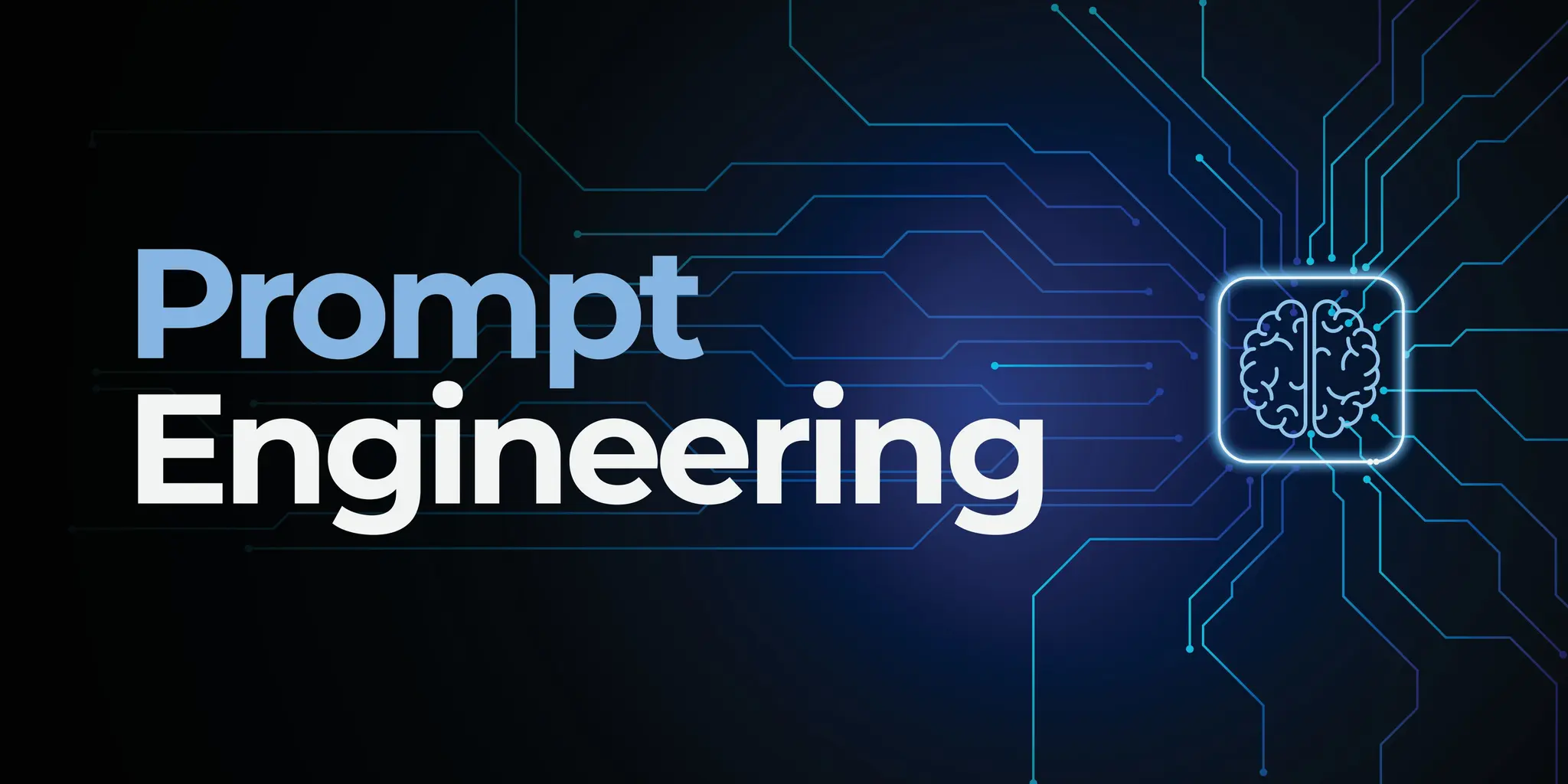
POML is Microsoft’s new XML/HTML-like language designed to bring structure and clarity to prompt engineering for Large Language Models (LLMs).It organizes prompts into modular, reusable components, making them easier to maintain and adapt at scale
Posted on March 19, 2025
Artificial intelligence (AI) is changing how professionals in healthcare and education access and use information. While LLMs like ChatGPT can generate text, they often lack transparency, reasoning, and scientific accuracy. In contrast, Knowledge Graphs (KGs) provide a structured and explainable way to organize and use information, making them particularly valuable for trustworthy decision-making in high-stakes fields.
Posted on May 30, 2025
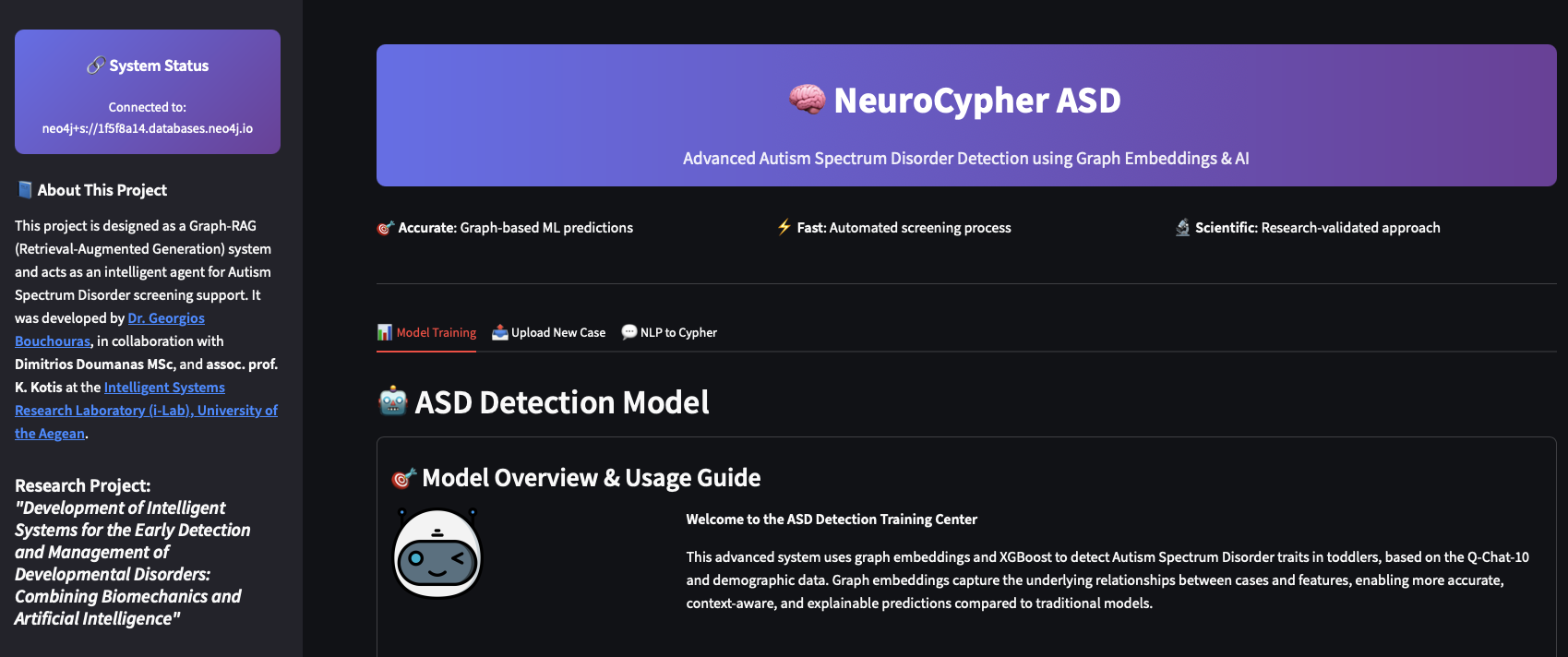
I'm pleased to introduce NeuroCypher ASD, an innovative tool we developed that serves both as a
screening assistant and an intelligent agent for understanding autism spectrum traits in toddlers.
The system integrates graph-based knowledge, machine learning, and natural language reasoning
to support early detection and decision-making in developmental screening.
Posted on May 29, 2026
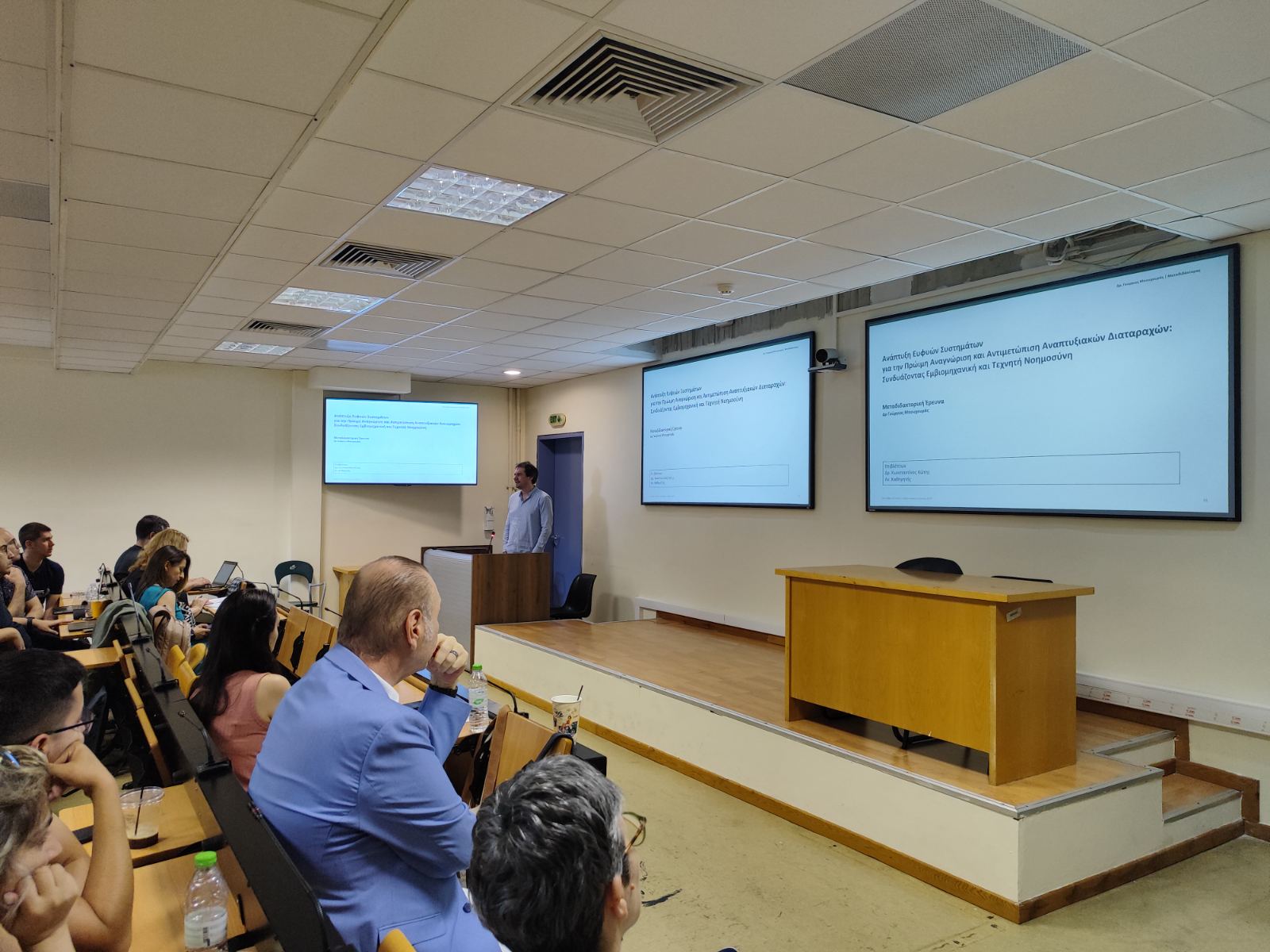
I was pleased to attend the AI in Culture and Society workshop in Mytilini and to present my
postdoctoral research on the use of AI and knowledge graphs in the biomechanics of developmental
disorders. The event brought together inspiring perspectives on AI, culture, society, digital well-being, and
biomechanics, highlighting the importance of interdisciplinary dialogue in shaping responsible innovation.
Posted on August 08, 2025
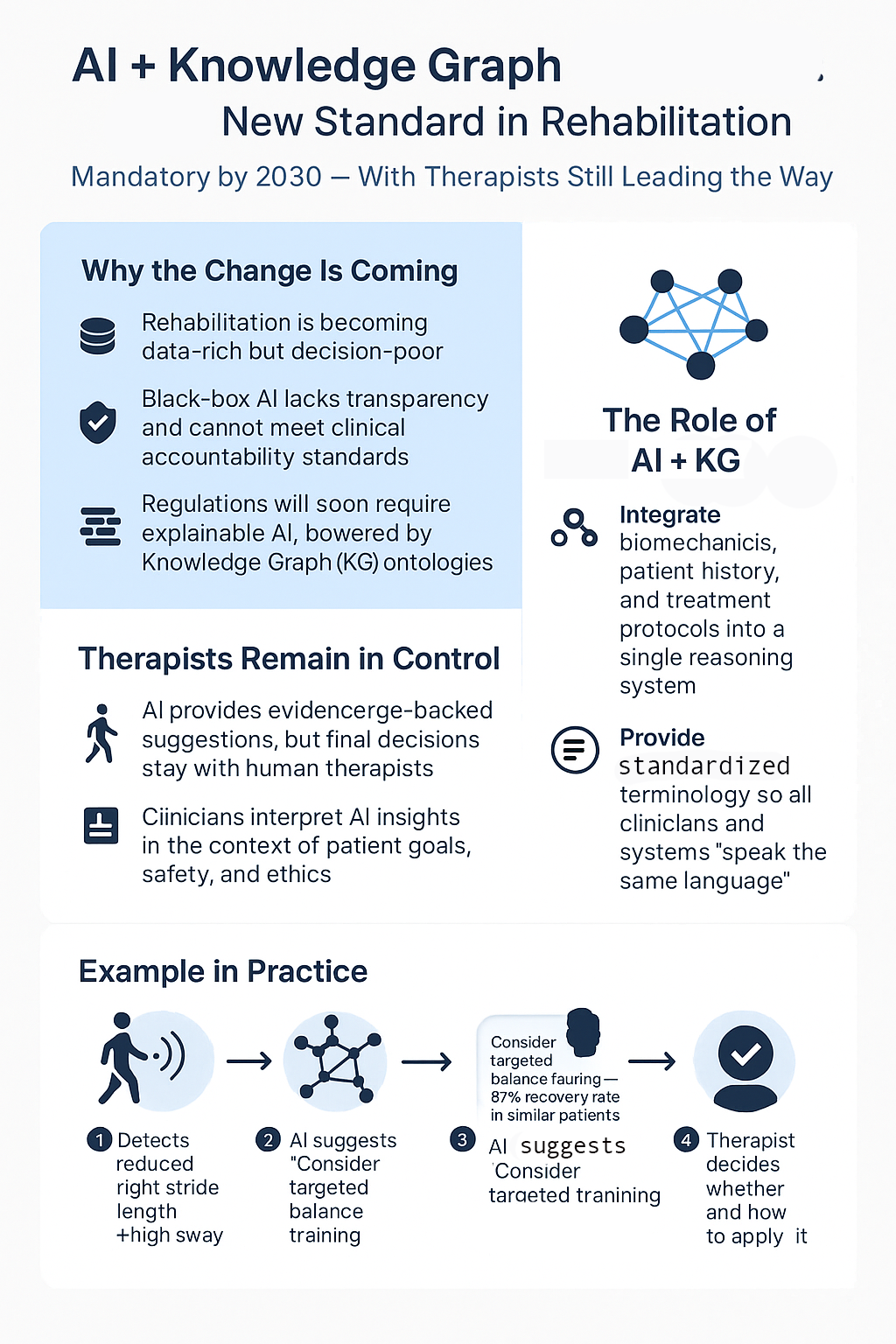
AI + Knowledge Graph Ontologies: The New Standard in Rehabilitation | Mandatory by 2030 — With Therapists Still Leading the Way. Rehabilitation is becoming data-rich but decision-poor. Black-box AI lacks transparency and cannot meet clinical accountability standards
Posted on May 08, 2025
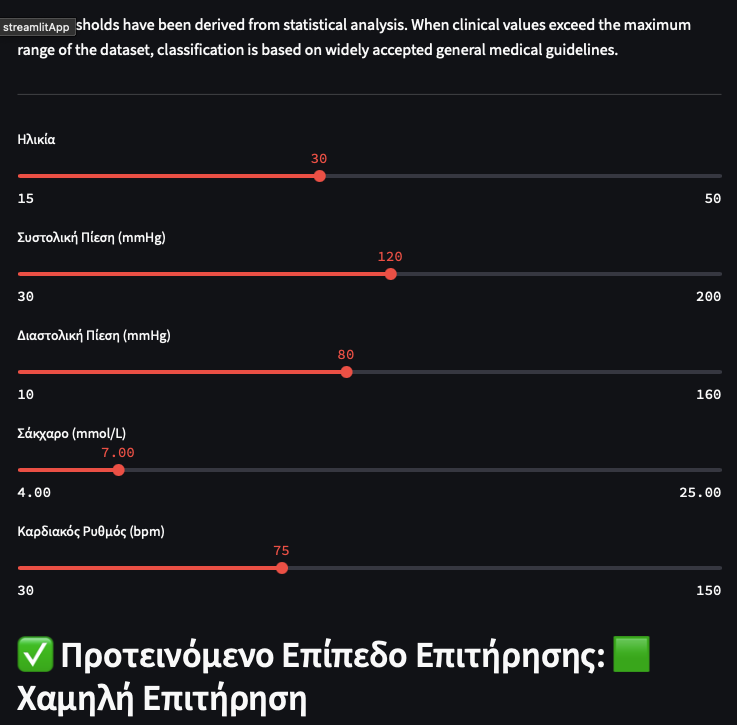
We are proud to announce that our first-year midwifery students, Angela Lavntarakou and Eleni Samara, presented their research at the 10th Student Symposium on Research and Innovation hosted by Metropolitan College.
Under my academic supervision, our team developed a web-based Maternal Risk Decision Support System, now publicly available:
Posted on March 19, 2025
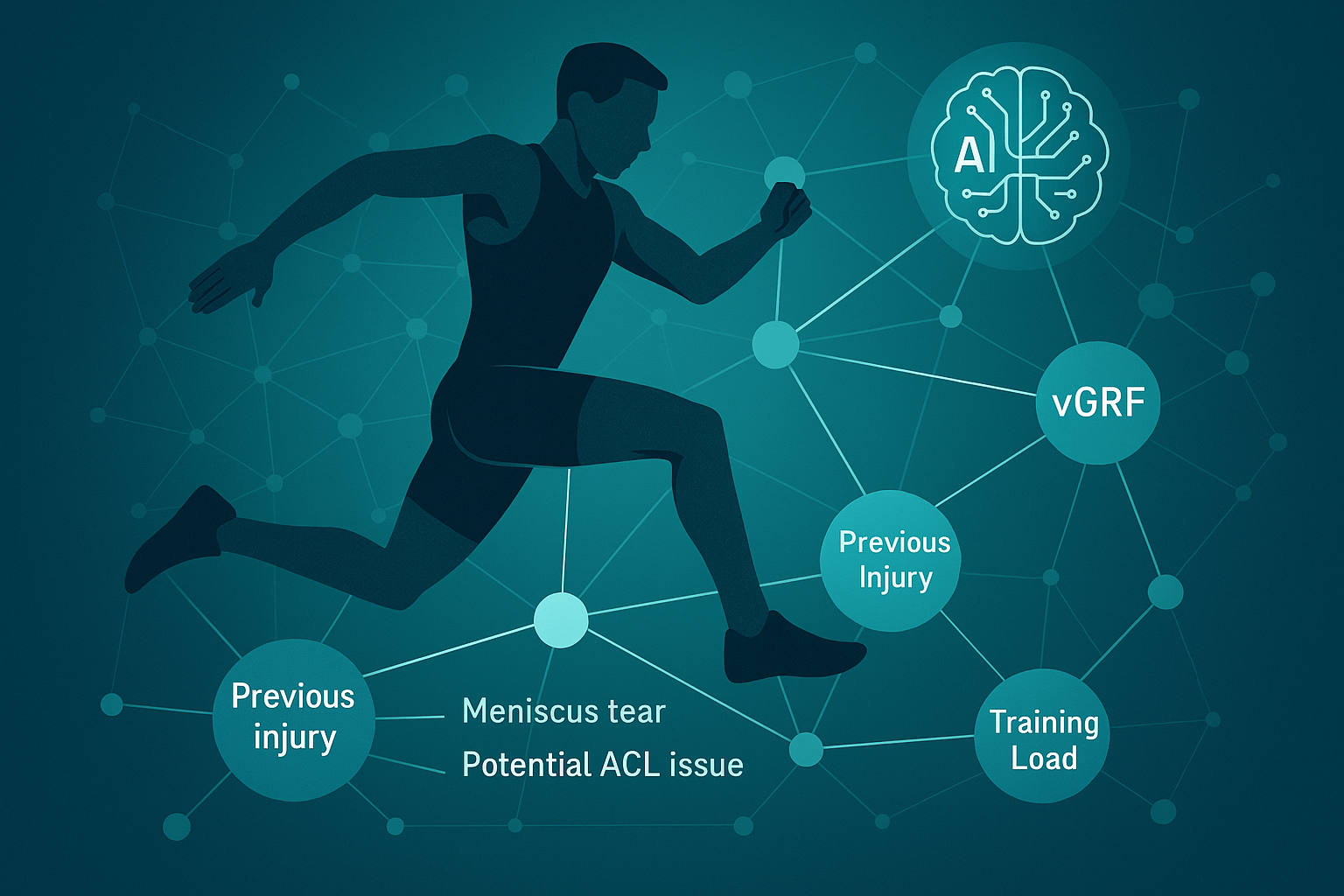
Years ago, I was training for long jump — a sport I loved deeply. One day during a lift off, I felt something go wrong in my knee. It turned out to be a meniscus tear, and although my ACL wasn't fully torn, it was likely affected too. That injury changed everything. I couldn't train the same way again, and eventually, many years later, it pushed me toward a different path — a PhD focused on knee and ACL reconstruction.
Since then, I've worked in biomechanics, AI, and knowledge graphs. And looking back, I often ask myself: could that injury have been predicted — or even prevented — if we had the right tools?
My answer today is yes. But we need a new kind of thinking.